
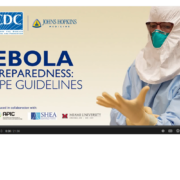
How to Safely Put on PPE, Selected Equipment: N95 and Gown

This video demonstrates the procedure described in CDC guidance for donning (i.e., putting on) personal protective equipment (PPE) for all healthcare providers entering the room of a patient hospitalized with known or suspected Ebola virus disease. It assumes the healthcare provider will be using an N95 and Gown.
How to Safely Put on PPE, Selected Equipment: PAPR and Coverall

This video demonstrates the procedure described in CDC guidance for donning (i.e., putting on) personal protective equipment (PPE) for all healthcare providers entering the room of a patient hospitalized with known or suspected Ebola virus disease. It assumes the healthcare provider will be using a PAPR and Coverall.

How to Safely Take off PPE, Selected Equipment: N95 and Coverall

This video demonstrates the procedure described in CDC guidance for doffing (i.e., removing) personal protective equipment (PPE) for all healthcare providers entering the room of a patient hospitalized with known or suspected Ebola virus disease. It assumes the healthcare provider is using an N95 and Coverall.

How to Serve as the Trained Observer (Entire Video)

This video discusses the roles and responsibilities of Trained Observers. A Trained Observer is a clinician, most likely an infection prevention professional, nurse, or physician, whose sole responsibility is to guide healthcare workers as they don (put on) and doff (take off) personal protective equipment (PPE) for caring for a suspect or confirmed Ebola patient. When acting as a Trained Observer you will not be delivering care directly to patients. Instead you will focus on ensuring the safety of healthcare workers.

Ebola: What You Need to Know

Information for service members about the West African Ebola virus disease outbreak.
[youtube http://www.youtube.com/watch?v=677xOF9Iua4]

Ebola Virus: How it Spreads and What it Does to You

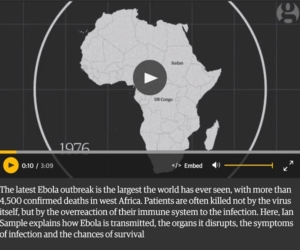
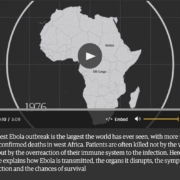
Ebola How it SpreadsThe latest Ebola outbreak is the largest the world has ever seen, with more than 4,500 confirmed deaths in west Africa. Patients are often killed not by the virus itself, but by the overreaction of their immune system to the infection. Here, Ian Sample explains how Ebola is transmitted, the organs it disrupts, the symptoms of infection and the chances of survival.

Ebola Virus: How it Spreads and What it Does to You

BBC News – Ebola in 60 Seconds

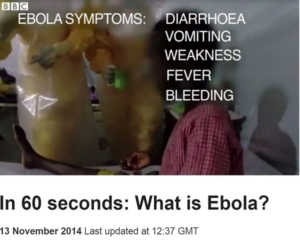
Ebola in 60 SecThe Ebola outbreak in West Africa is the deadliest occurrence of the disease since its discovery in 1976.
BBC News explains why the disease is so dangerous – in 60 seconds.

In 60 seconds: What is Ebola?

CDC Communication Resource Videos

CDC Communication Resource VideosCDC Resources

How Ebola Kills

Everyone knows that Ebola kills, but what exactly does it do? This video by Dr. Michael Smith explains the science behind how Ebola attacks the body.

How Ebola Kills

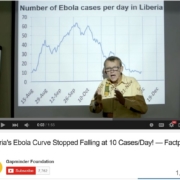
Hans Rosling’s Explanation of Liberia Curve

This trend shows daily new cases confirmed by blood samples; not all suspected and probable cases. Since August the trend went up above 60 and then back down. But not to zero. It stayed around 10 new cases per day. The hunt can not stop until it reaches zero.

[youtube http://www.youtube.com/watch?v=6zoC2JMgttw&w=560&h=315]