

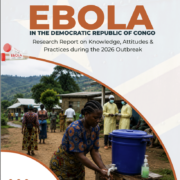
Research Report on Knowledge, Attitudes & Practices during the 2026 Outbreak
GeoPoll has published the findings of a nationwide Knowledge, Attitudes and Practices (KAP) study on the current Ebola outbreak in the DRC, covering all 26 provinces. This release draws on 1,497 respondents; fieldwork is ongoing and findings will be updated as new responses arrive. The report is free and intended for RCCE teams, health agencies, humanitarian implementers, and media covering the response.
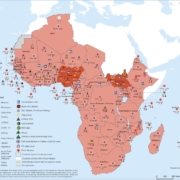
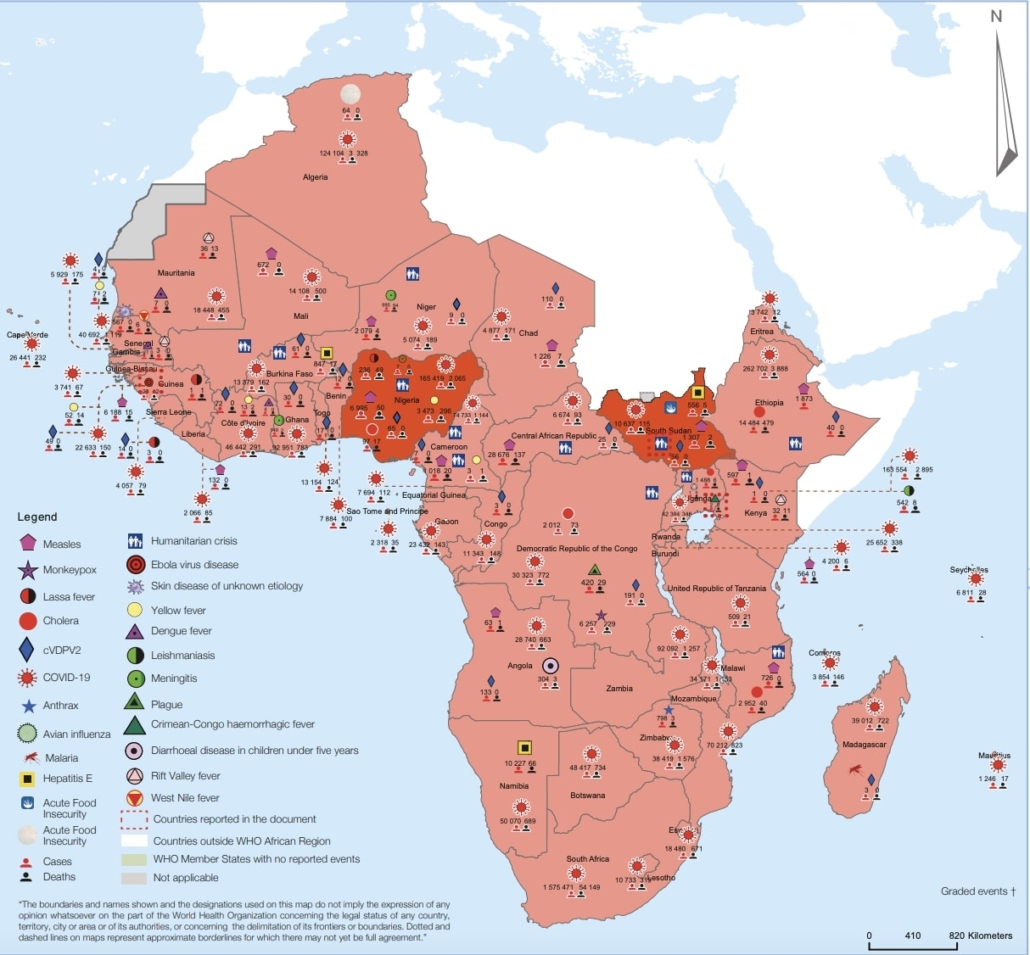 This Weekly Bulletin focuses on public health emergencies occurring in the WHO African Region. The WHO Health Emergencies Programme is currently monitoring 129 events in the region. Weekly articles cover a range of diseases and currently include, amongst others: COVID-19 across the WHO African region and Ebola virus disease in Guinea.
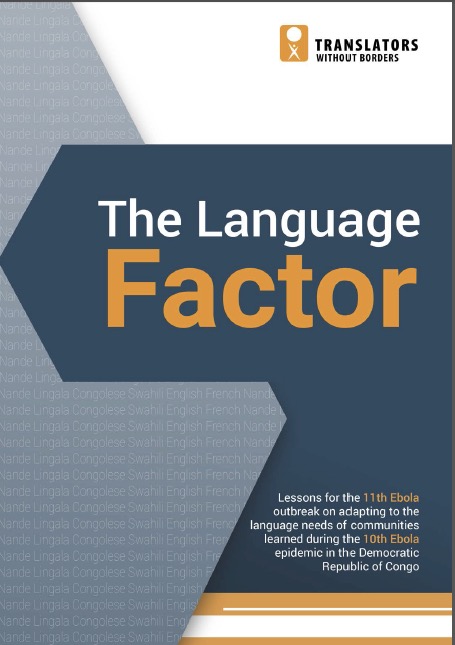 This resource provides lessons from previous Ebola outbreaks in the DRC on adapting to the language needs of communities and centers language as a key trust builder between communities and public health experts.

 This journal article examines structured community engagement initiatives and real-time monitoring of community engagement activities during large-scale epidemics. Researches analysed the Community Led Ebola Action (CLEA) approach implemented through the Social Mobilization Action Consortium (SMAC) during the 2014–2016 Ebola epidemic in Sierra Leone, demonstrating how large-scale, coordinated community engagement interventions can be achieved and monitored in real-time during future Ebola epidemics and other similar epidemics.
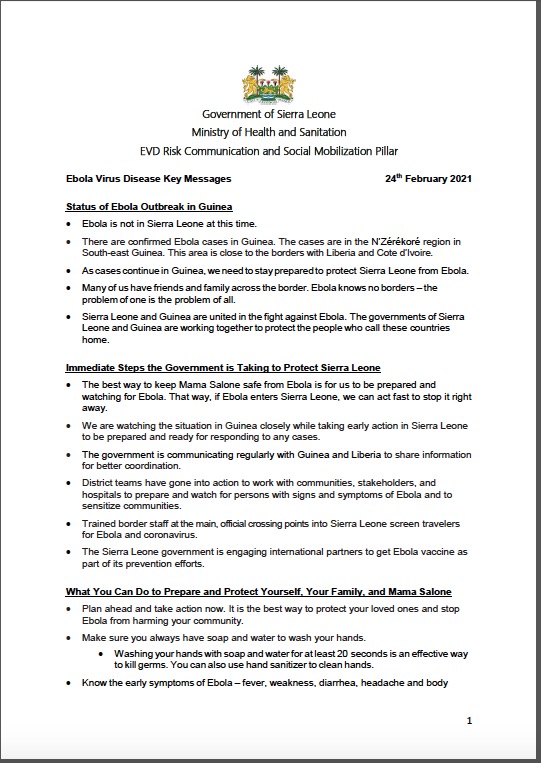 2021- Developed by the Government of Sierra Leone, this resource features facts about Ebola, prevention, signs and symptoms, treatment and how to distinguish between COVID-19 and Ebola Virus Disease.
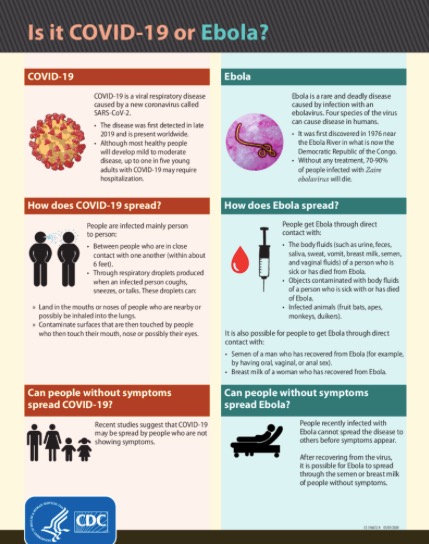 This fact sheet distinguishes between Covid-19 and Ebola in terms of cause, transmission, signs and symptoms and risk factors.
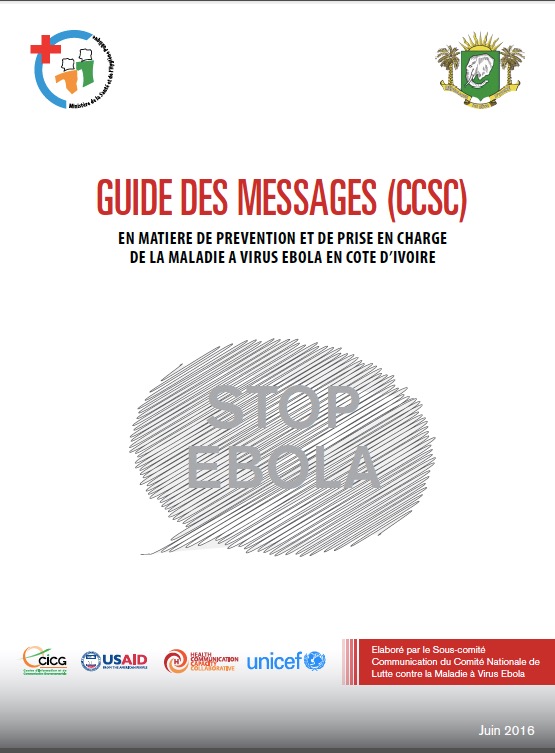 This message guide was produced in June 2016 to strengthen the coordination of the various information and education interventions developed to raise awareness about the Ebola epidemic in Côte d’Ivoire.
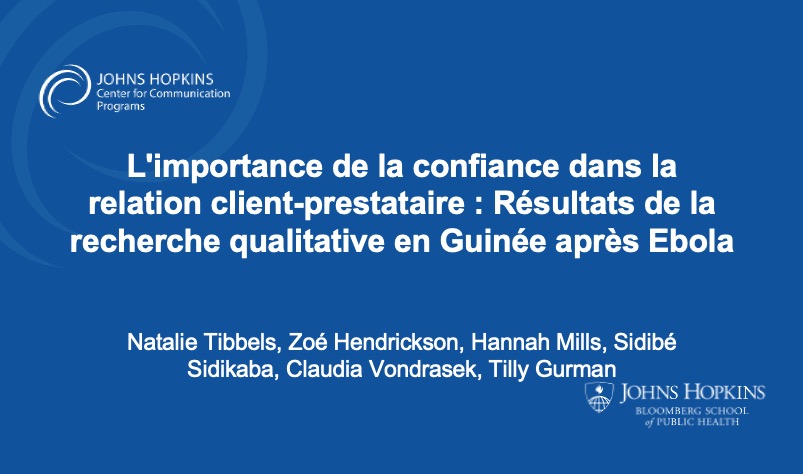 Preliminary results from research in post-Ebola Guinea focusing on patient-provider trust. The objective of this research is to identify how men and women in Guinea described their interactions with health providers in health facilities and the factors that contributed to trust, or lack of trust, in these facilities.