

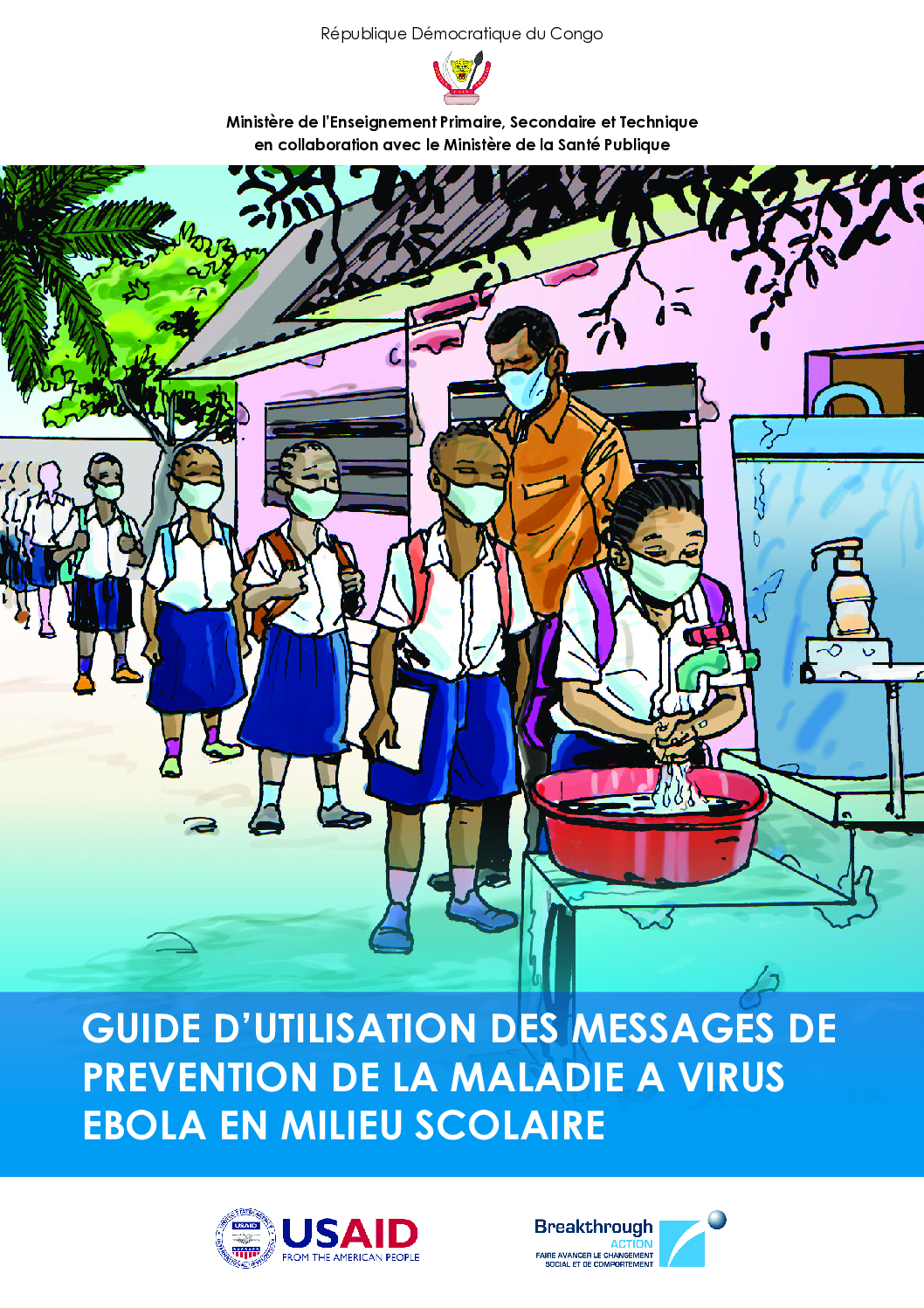
Guide d’utilisation des messages de prévention de la maladie à virus Ebola en milieu scolaire, République démocratique du Congo
Ce guide, élaboré par le Ministère de l’Enseignement Primaire, Secondaire et Technique en collaboration avec le Ministère de la Santé Publique et avec l’appui de Breakthrough ACTION, fournit des orientations aux enseignants et aux responsables scolaires pour l’utilisation de messages éducatifs visant la prévention de la maladie à virus Ebola en milieu scolaire. Il présente des informations sur Ebola, la COVID-19, d’autres zoonoses et les maladies d’origine hydrique, ainsi qu’une série de messages adaptés à différents publics (élèves, enseignants, parents et autorités scolaires) afin de promouvoir des comportements favorables à la santé et à la prévention des maladies.
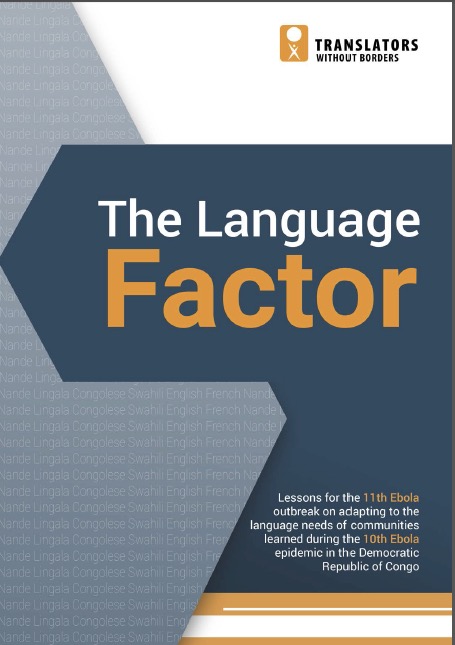 This resource provides lessons from previous Ebola outbreaks in the DRC on adapting to the language needs of communities and centers language as a key trust builder between communities and public health experts.

 This journal article examines structured community engagement initiatives and real-time monitoring of community engagement activities during large-scale epidemics. Researches analysed the Community Led Ebola Action (CLEA) approach implemented through the Social Mobilization Action Consortium (SMAC) during the 2014–2016 Ebola epidemic in Sierra Leone, demonstrating how large-scale, coordinated community engagement interventions can be achieved and monitored in real-time during future Ebola epidemics and other similar epidemics.
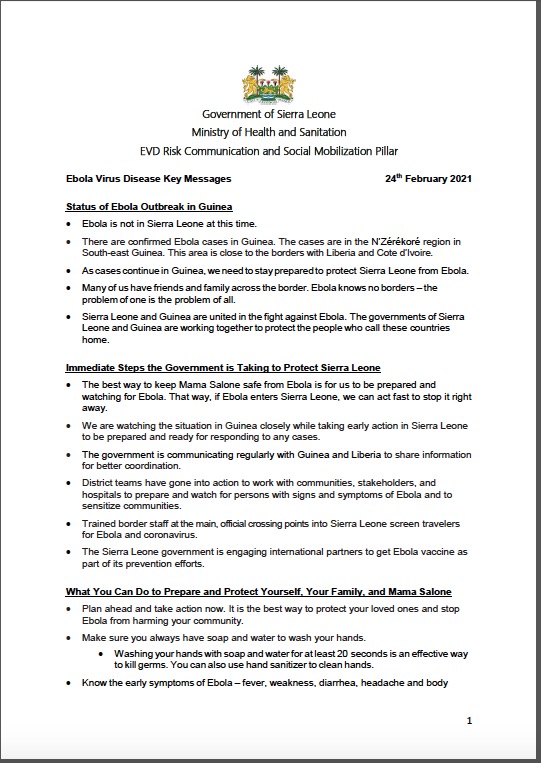 2021- Developed by the Government of Sierra Leone, this resource features facts about Ebola, prevention, signs and symptoms, treatment and how to distinguish between COVID-19 and Ebola Virus Disease.
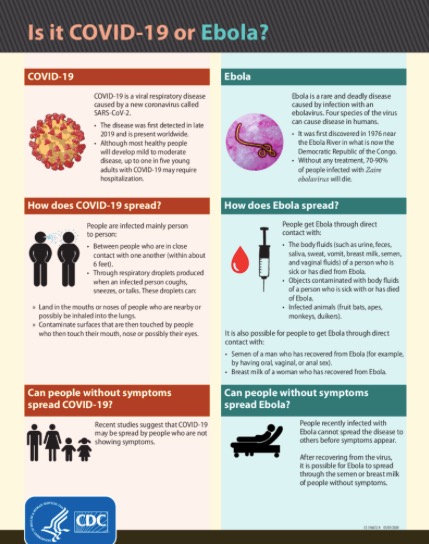 This fact sheet distinguishes between Covid-19 and Ebola in terms of cause, transmission, signs and symptoms and risk factors.
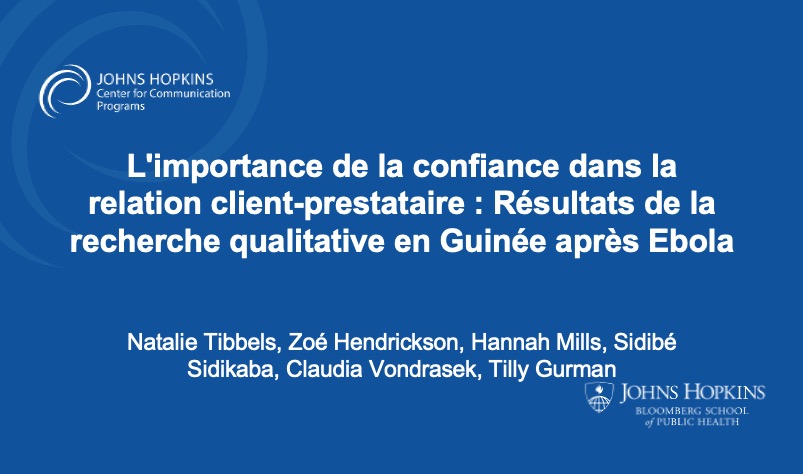 Preliminary results from research in post-Ebola Guinea focusing on patient-provider trust. The objective of this research is to identify how men and women in Guinea described their interactions with health providers in health facilities and the factors that contributed to trust, or lack of trust, in these facilities.
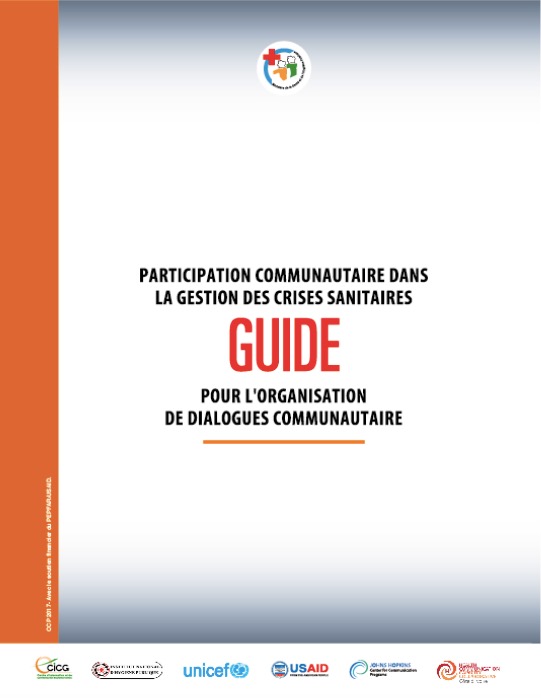 This Community Dialogue guide was developed to promote the active participation of communities in the response and prevention of health crises in Cote d’Ivoire.