
A Leaders Guide to Crisis Communication: Lessons from Ebola and COVID-19
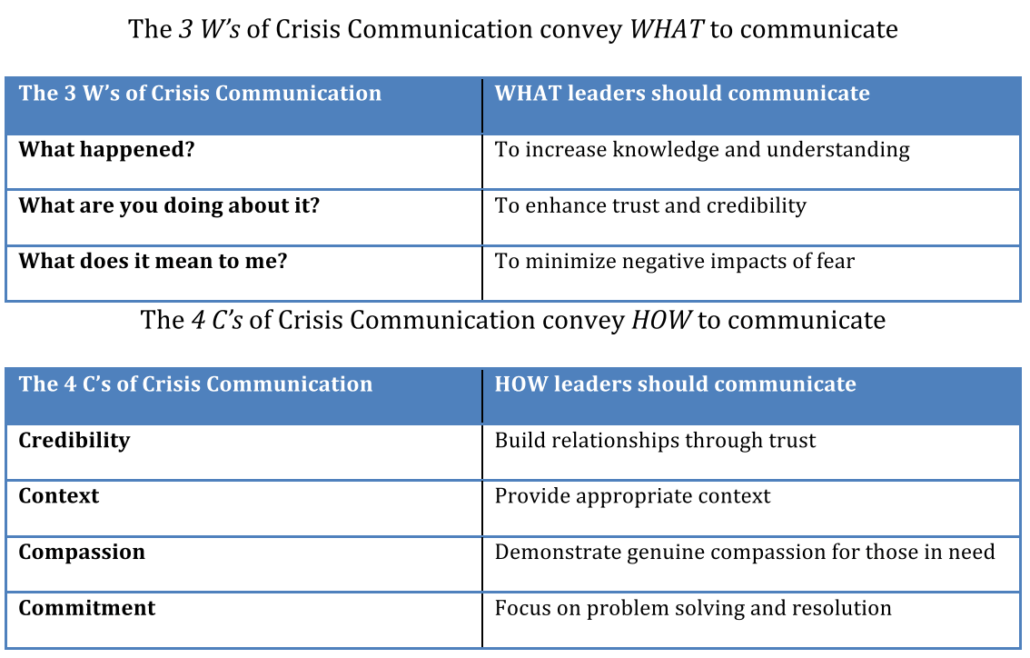 This article (published in Military Medicine (2020) provides tips for leaders on “what to communicate and how to communicate” during a crisis, using lessons learned from the Ebola outbreak as well as lessons now emerging from the Coronavirus Disease 2019 (COVID-19) pandemic. This perspective offers practical guidelines for leaders identified here as the 3 W’s and 4C’s of crisis communication.

 This journal article examines structured community engagement initiatives and real-time monitoring of community engagement activities during large-scale epidemics. Researches analysed the Community Led Ebola Action (CLEA) approach implemented through the Social Mobilization Action Consortium (SMAC) during the 2014–2016 Ebola epidemic in Sierra Leone, demonstrating how large-scale, coordinated community engagement interventions can be achieved and monitored in real-time during future Ebola epidemics and other similar epidemics.
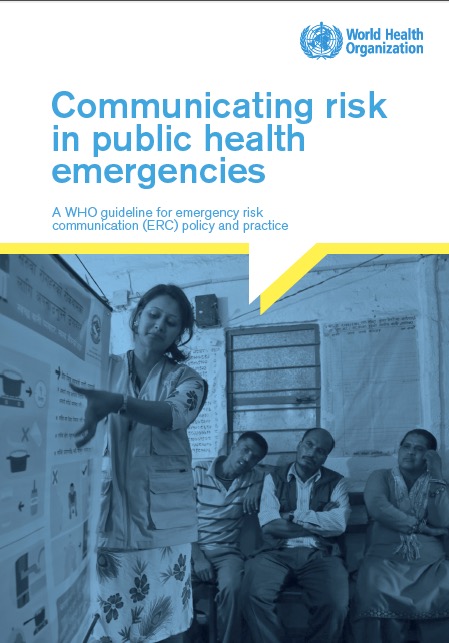 This WHO guide for emergency risk communication (ERC) policy and practice provides overarching, evidence-based guidance on how risk communication should be practiced in an emergency. The recommendations also guide countries on building capacity for communicating risk during health emergencies.
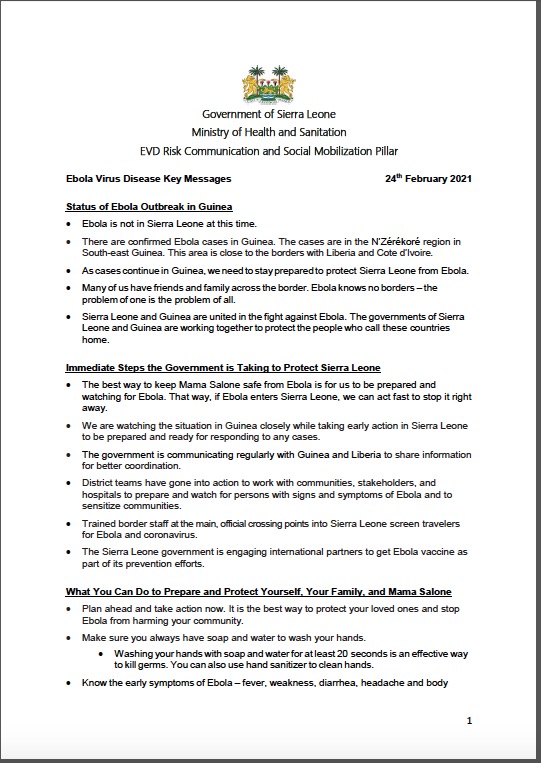 2021- Developed by the Government of Sierra Leone, this resource features facts about Ebola, prevention, signs and symptoms, treatment and how to distinguish between COVID-19 and Ebola Virus Disease.
 This fact sheet distinguishes between Covid-19 and Ebola in terms of cause, transmission, signs and symptoms and risk factors.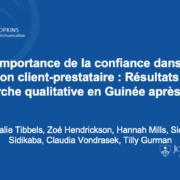
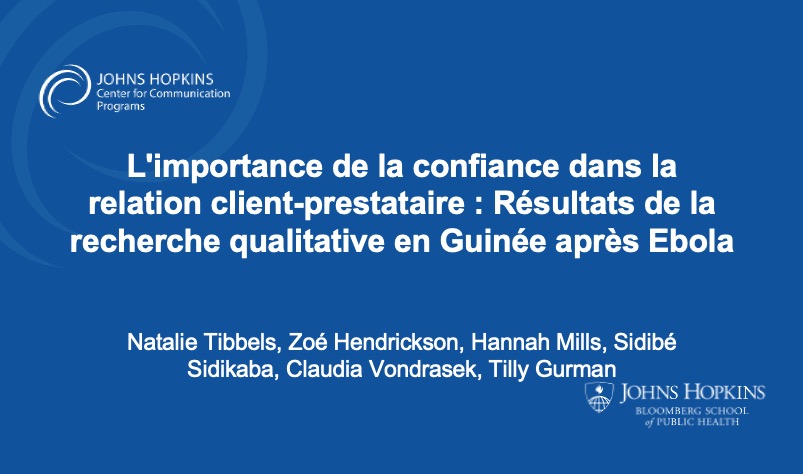 Preliminary results from research in post-Ebola Guinea focusing on patient-provider trust. The objective of this research is to identify how men and women in Guinea described their interactions with health providers in health facilities and the factors that contributed to trust, or lack of trust, in these facilities.
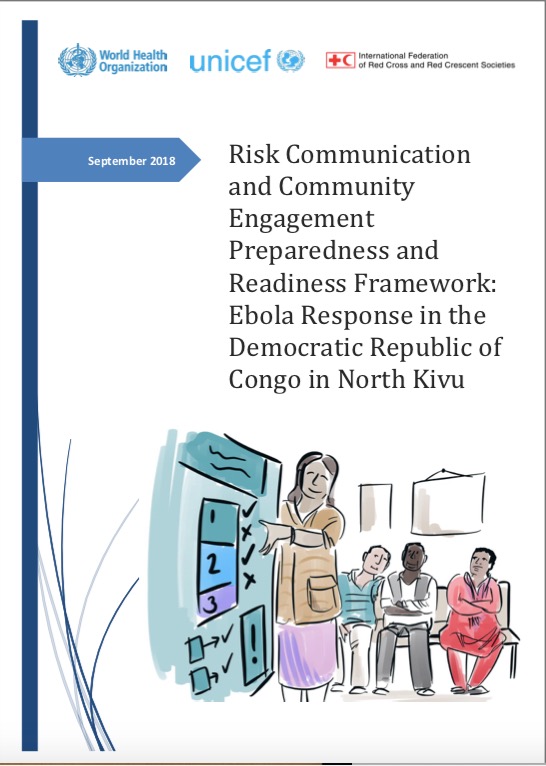 This resource (2018) provides a guide for RCCE work for the prevention and control of EVD outbreaks. The RCCE framework sets out overacting considerations regarding RCCE for preparedness and readiness to respond to outbreaks and links the RCCE response pillar to health technical areas.
 This Guide was developed by the Yale Institute of Global Health and the UNICEF Demand for Immunization team. It is intended for public health professionals, communicators, advocates and anyone else who wishes to create pro-vaccine content to motivate people to vaccinate themselves and their entourage.
 This WHO Ebola fact sheet (2021) provides comprehensive facts on Ebola, covering transmission, symptoms, prevention and control, vaccine, care for those recovered from Ebola and WHO response.